
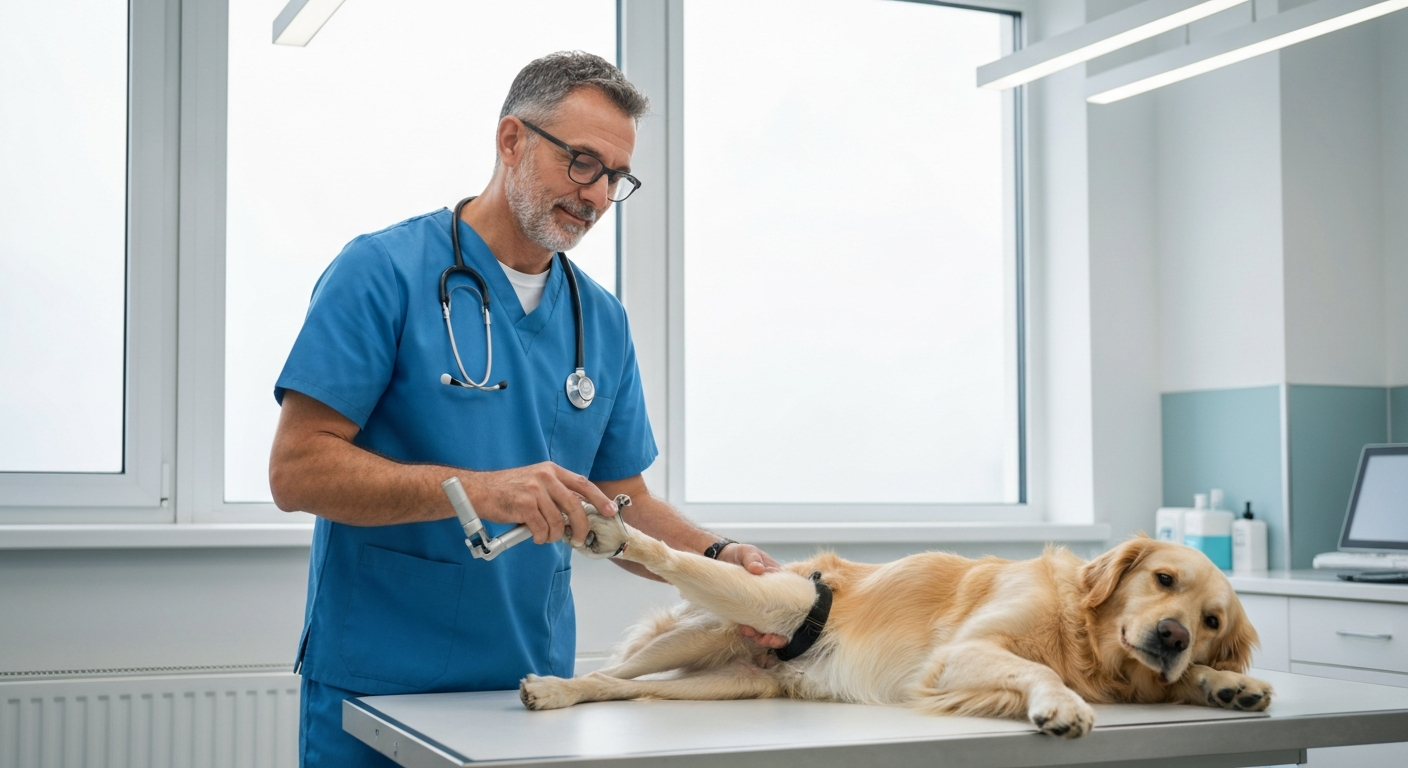
Orthopedic surgeons are the holy grail of canine rehabilitation referrals. A single busy board-certified surgeon performing TPLOs, MPAs, and fracture repairs can comfortably supply your clinic with 15-20 high-ticket patients a month.
But surgeons are fiercely protective of their patients and incredibly busy. Dropping off a box of pastries and a stack of business cards won't cut it. You need to approach them with the "Trojan Horse" method.
What motivates orthopedic surgeons to refer patients?
To win over a surgeon, you must understand their primary motivation: protecting their surgical outcomes.
When a dog tears its contralateral CCL six months after a TPLO, or when an owner complains that their dog is still limping at week 12, who gets blamed? The surgeon. Their reputation is entirely dependent on the owner's compliance during the 12-week recovery phase—which is notoriously terrible.
How do you pitch a surgeon to get more rehab referrals?
Instead of asking the surgeon to "send you business," you offer to insure their surgical success.
When you finally secure a 10-minute meeting with a surgeon (use our Vet Referral Email Assistant to get your foot in the door), your pitch should sound like this:
"Dr. Smith, I know your TPLO outcomes are fantastic. My goal isn't just to do rehab; it's to protect your surgical work. We act as your compliance enforcers. When you send a post-op to us, we ensure they aren't jumping off couches, we rebuild their muscle mass safely, and we send you objective bi-weekly reports so you know exactly how the knee is healing. We make sure your patients get the result you promised them."
"Surgeons don't want to refer to a 'physical therapist.' They want to refer to a risk-mitigation partner who makes their complication rates drop to zero."
How do you use data to secure surgical referrals?
To seal the deal, don't just talk—show them data. Bring an anonymized case study of a recent post-op patient. Show the surgeon your objective measurements: thigh girth increases, goniometry (ROM) improvements, and stance analysis data. When a surgeon sees that you measure outcomes as clinically and objectively as they do, the floodgates will open. For a broader framework on building and tracking referral relationships, read our complete guide on how to get more veterinary referrals for your canine rehab clinic.
Frequently Asked Questions
Get the Free Canine Rehab Growth Checklist
Get practical canine rehab growth insights and our 24-point growth systems checklist delivered to your inbox.