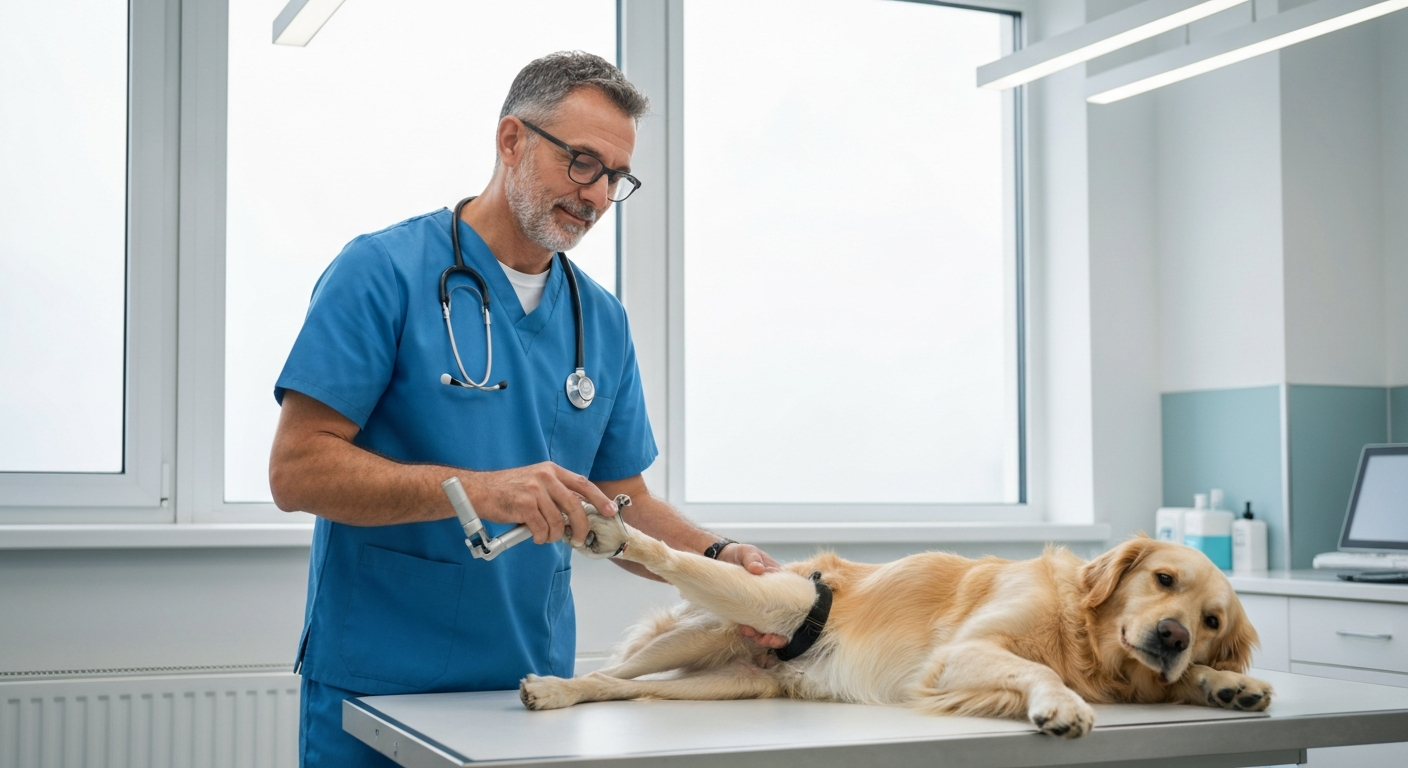

A practical post-operative referral-communication workflow includes an update after the initial rehabilitation evaluation, another when meaningful progress, a plan change, or a concern arises, and a final update at discharge or transition. The timing should be adapted to the patient, the referring veterinarian's preferences, clinic protocols, and applicable professional requirements.
Consistent, relevant communication helps keep the referring veterinarian informed and can strengthen professional relationships over time. This guide breaks down a practical three-step workflow that canine rehab clinics can adapt to their own operations.
Why Post-Operative Referral Communication Matters
Post-operative rehabilitation often involves coordination between a surgeon, a primary care veterinarian, and a rehabilitation team. When communication is inconsistent or absent, the referring veterinarian may not know whether the patient was evaluated, how the recovery is progressing, or whether concerns have arisen. A structured communication workflow helps maintain continuity, supports collaborative care, and creates a useful professional record over time.
The goal is not to send more messages, but to send the right messages at meaningful points. For a broader framework on building and maintaining referral relationships, see our guide on how to get more veterinary referrals for your canine rehab clinic.
Step 1: Send an Initial Evaluation Update
After the initial rehabilitation evaluation, a concise update can establish a shared understanding between the rehab team and the referring veterinarian. This communication can cover:
- Patient identification (name, breed, relevant case identifiers)
- Referring veterinarian or practice
- Reason for rehabilitation
- Relevant functional observations from the evaluation
- Established rehabilitation goals
- Planned rehabilitation focus and expected timeline
- Questions or concerns requiring coordination
- Sender's name, credentials, and contact information
This update does not need to be lengthy. A concise summary sent within a reasonable window after the evaluation, commonly within 24 to 48 hours, confirms that the patient was seen and outlines the plan. This is an operational suggestion, not a universal deadline. The appropriate content depends on the professionals involved and applicable documentation requirements. Clinics should adapt the timing to their own protocols and the referring veterinarian's preferences.
Step 2: Communicate Meaningful Progress, Changes, or Concerns
A progress update is most useful when it gives the referring veterinarian relevant new information rather than repeating routine appointment notes. A meaningful update might address:
- Progress toward established functional goals
- Relevant reassessment observations
- Changes to the rehabilitation focus or goals
- Barriers affecting progress
- Meaningful client-adherence considerations, when appropriate
- New questions requiring coordination with the referring veterinarian
- Concerns that should not wait for the next routine update
Clinical concerns should be handled according to the patient's circumstances, the professionals' scopes of practice, clinic protocols, and applicable professional requirements. This article does not attempt to establish a universal emergency protocol. If something clinically significant happens between scheduled updates, the referring veterinarian should be informed promptly rather than waiting for the next planned report. For specific guidance on timing and cadence, read our article on how often a canine rehab clinic should update the referring veterinarian. To document the complete referral journey for your team and referring practices, see our guide on creating a veterinary referral roadmap.
Step 3: Close the Loop at Discharge or Transition
When the rehabilitation episode reaches a natural conclusion, a concise final communication can close the loop. This update might cover:
- A summary of the rehabilitation period
- Relevant progress toward established goals
- Current functional status
- Remaining concerns, if any
- Transition, maintenance, reassessment, or next-step information, when applicable
- Clinic contact information for follow-up questions
Explicitly stating that the patient is returning to the referring veterinarian's care reinforces the professional relationship and makes it clear you are not attempting to retain the client for services outside your scope. For a detailed template, see our guide on how to write a rehab discharge report that actually gets read.
What About Longer Rehabilitation Plans?
Some rehabilitation episodes extend well beyond a few weeks. For longer plans, additional milestone-based or periodic updates may be useful. Some clinics find that biweekly or monthly updates work well for post-operative cases. Others prefer milestone-based communication tied to reassessment points. These are possible operational approaches, not universal standards.
A better default is to ask referring veterinarians what they prefer:
- What information do they find most useful?
- Which communication channel do they prefer?
- Do they prefer milestone-based or periodic updates?
- When do they want direct coordination?
Communication methods should follow applicable privacy obligations, professional requirements, and clinic policies. Do not transmit protected or confidential information through insecure channels.
Create a Repeatable Workflow Without Making It Impersonal
A structured workflow helps the team remain consistent without relying on individual memory. A simple operational process might look like this:
- Record the referring veterinarian and practice for each patient.
- Confirm communication preferences when possible.
- Assign responsibility for sending each update to a specific team member.
- Use a structured template or consistent fields for each update type.
- Set milestone-based reminders when appropriate.
- Review every message for patient-specific accuracy before sending.
- Document when communication was sent in the patient record or CRM.
- Flag concerns requiring direct professional coordination.
- Record the discharge or transition update when the episode concludes.
Templates, reminders, and CRM automation can support consistency, but they must not replace professional judgment or individualized communication. Every report should reflect the actual patient and situation. For a practical starting point, you can use our Referral Progress Update Generator to structure objective data into a professional, veterinarian-ready report.
Common Communication Mistakes
Avoiding these common mistakes is often as important as following the right steps:
- Sending no update after the initial evaluation. The referring veterinarian is left wondering whether the patient was seen and what the plan is.
- Using a rigid schedule regardless of the case. A fixed calendar can cause you to miss important moments that warrant timely communication.
- Writing long reports without a clear summary. A busy veterinarian may not have time to read pages of narrative.
- Communicating only when seeking another referral. If the only time the vet hears from you is when you are asking for business, the relationship will not develop.
- Sending generic automated messages without review. Automated templates are useful, but every report should be reviewed before it is sent.
- Failing to assign responsibility. If no one owns the task, updates fall through the cracks.
- Failing to document completed communication. You cannot manage a workflow you are not tracking.
- Using an inappropriate communication channel. Use secure, professional methods consistent with privacy obligations.
- Making unsupported claims about patient or business outcomes. Do not promise specific recovery rates or referral results you cannot back up.
The Bottom Line
A useful post-operative communication workflow closes the loop after the initial evaluation, during meaningful progress or change, and at discharge or transition. The exact cadence should reflect the patient, the referring veterinarian's preferences, clinic protocols, and applicable professional requirements. There is no single schedule that fits every clinic, patient, or veterinarian. The most effective approach is to communicate when there is something useful to say, ask referring practices what they prefer, and build a repeatable workflow that keeps the team consistent.
If your clinic needs a more consistent way to manage evaluation updates, progress reports, and discharge communication, Webdogg helps canine rehabilitation practices build practical referral workflows around the way their teams work.
Disclaimer: This article is intended for canine rehabilitation clinic owners and practice managers. It addresses communication, workflow, and business operations, not veterinary medical advice. Referral requirements and scope of practice vary by jurisdiction. Clinic owners should confirm regulatory requirements with their local veterinary regulatory authority.
Frequently Asked Questions
Get the Free Canine Rehab Growth Checklist
Get practical canine rehab growth insights and our 24-point growth systems checklist delivered to your inbox.